


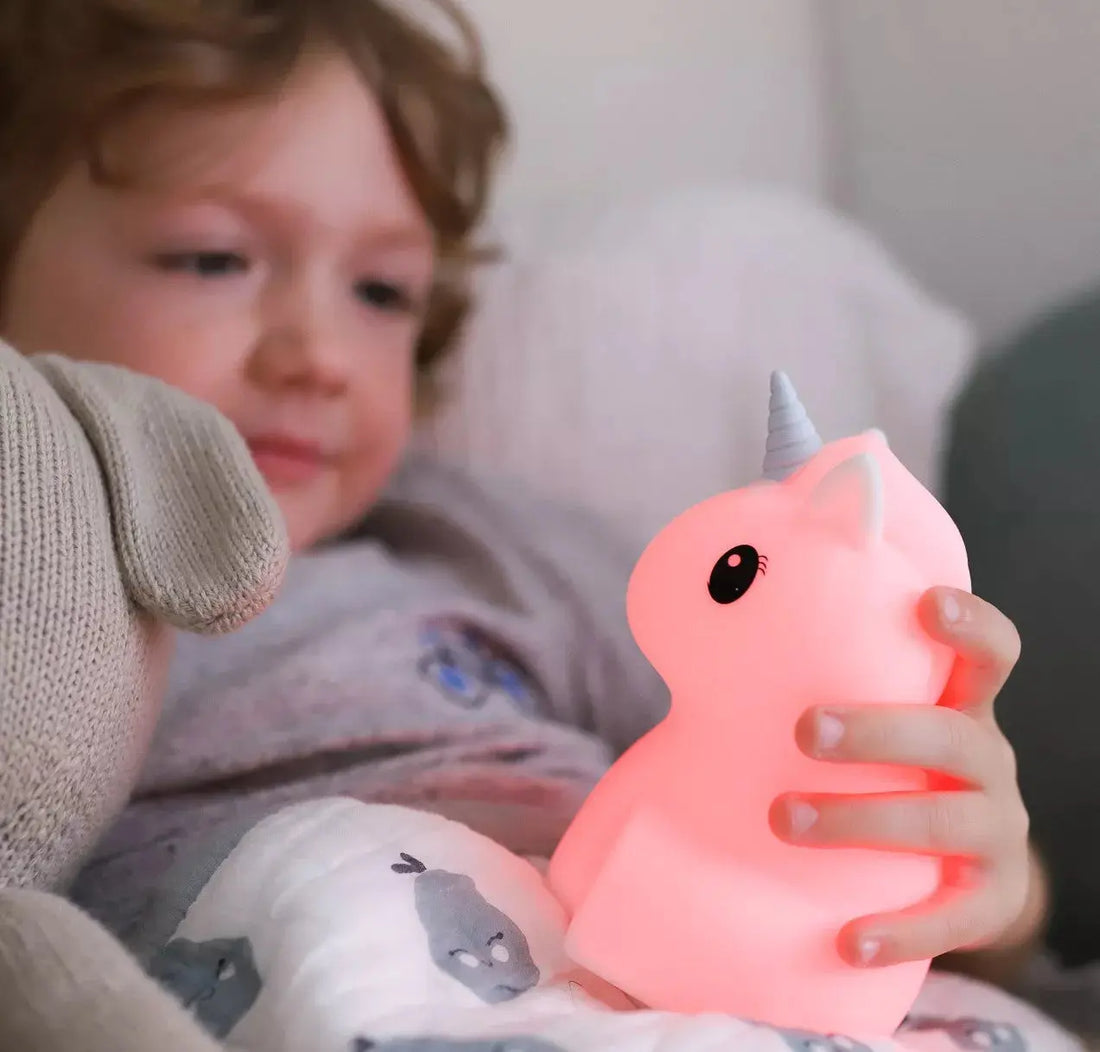
As the sun sets over Australia, a biological clock begins ticking inside your child. This internal timer, known as the circadian rhythm, relies on environmental cues to signal when it’s time to rest. For decades, parents have been told that "dimming the lights" is the key to a smooth bedtime. However, in our modern world of LED-lit homes, brightness is only half the battle. The real culprit often hiding in plain sight isblue light.
What is Blue Light Sabotage?
Most standard LED bulbs—even those labeled as "warm white" and the backlit screens of baby monitors emit a specific wavelength of blue light. To a toddler’s sensitive developing brain, blue light acts like a chemical "wake-up call." When this light hits the retina, it effectively halts the production of melatonin, the hormone responsible for sleep. Instead of winding down, your child’s brain thinks it is high noon, leading to the dreaded second wind right at 7 PM.
How to Start a Blue Light Detox
To create a true "sleep sanctuary," you need more than just darkness; you need the right spectrum. This is where theDuski Dream Lightrange changes the game. Unlike basic night lights that merely dim a white bulb, Duski features aspecialist-recommended Red Light mode.
Why Red?Red light has the longest wavelength on the visible spectrum and has been scientifically proven to have the least impact on melatonin production.
The Routine:Switch your nursery lighting to the "Duski Red" mode 30 minutes before bedtime. This signals to your child’s brain that the day is over, allowing melatonin to flow naturally.
The Result:A child who is biologically prepared for sleep, making the transition from stories to slumber significantly faster.
By replacing stimulating blue hues with a calming red glow, you aren't just lighting a room—you're supporting your child’s natural biology.