


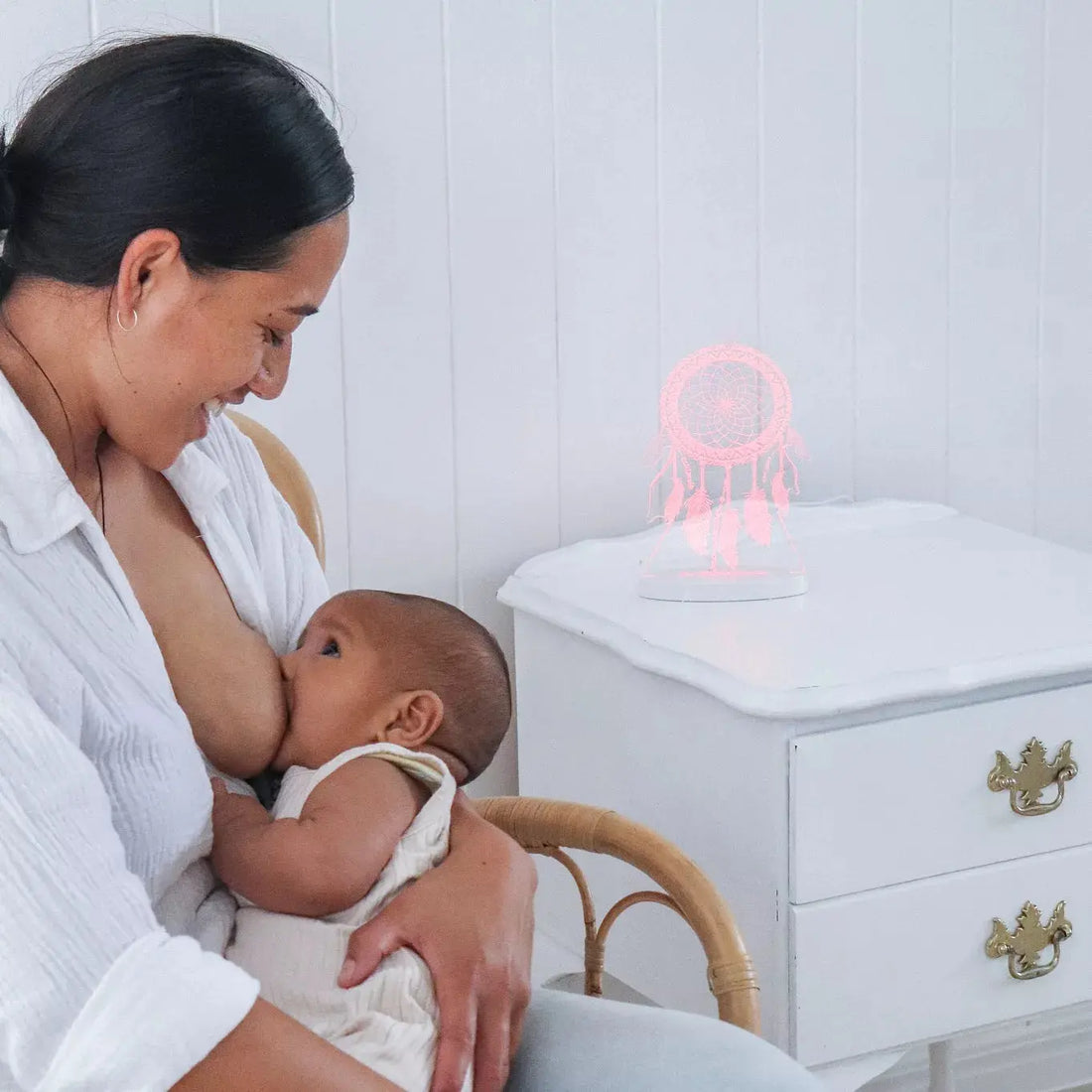
Newborn sleep help means creating a safe, calming routine so your baby can fall asleep and stay asleep without constant holding. With gentle methods like swaddling, white noise, and age-appropriate sleep training, parents can improve newborn rest and reduce sleepless nights.
Sleep is critical for a newborn’s growth, brain development, and overall health. According to the American Academy of Paediatrics(AAP, 2023), infants need 14–17 hours of sleep daily. However, many parents struggle when their baby won’t sleep unless held or wakes frequently.
Key Takeaway: Consistent sleep routines and gentle training methods can transform bedtime struggles into restful nights.
How to Get Newborn to Sleep Comfortably
Parents often ask, “How to get a newborn to sleep without fuss?”
Here are proven tips:
- Swaddle safely to mimic the womb environment.
- Use white noise from devices like Hatch Rest or apps like Baby Shusher.
- Keep the room dark with blackout curtains.
- Establish a bedtime routine with feeding, burping, and gentle rocking.
- Follow safe sleep guidelines—always place the baby on their back, in a cot free from pillows and toys.
To help newborns sleep, recreate a womb-like environment and stick to a soothing nightly routine.
Baby Won’t Sleep Unless Held: What Can Parents Do?
If your baby only sleeps in your arms, you’re not alone. Studies published in Paediatrics Journal (2022) show that physical comfort is the most common newborn sleep association.
Practical Solutions:
- Start with contact naps, then slowly transition to the crib.
- Use a baby carrier during the day to satisfy closeness needs.
- Place a warm blanket on the mattress for a few minutes (remove before putting
- baby down) so the surface doesn’t feel cold.
- Try gentle shushing and patting once the baby is in the crib.
Babies learn to sleep without being held when parents gradually replace physical contact with comforting cues.
Sleep Training Newborn: When and How?
Parents often ask, “When can I start sleep training a newborn?”
- Experts such as Dr. Harvey Karp (The Happiest Baby) suggests waiting until 4–6 months for formal sleep training.
- However, gentle sleep shaping (short routines, consistent nap times, and calm bedtime cues) can start earlier.
Popular methods include:
- Chair Method – Parents sit nearby until the baby drifts off.
- Pick Up/Put Down – Comfort baby, then place back in the crib.
- Fading Method – Slowly reduce rocking or feeding to sleep.
Pairing these methods with soothing Dream LightsDinosaurorConstructiondesigns adds security to bedtime, making transitions easier for parents and babies alike.
Quick Tips for Parents Needing Newborn Sleep Help
- Stick to the same bedtime every night.
- Limit over stimulation before naps.
- Use safe swaddles or sleep sacks like Love To Dream or Halo.
- Keep the nursery at 20–22°C for comfort.
- Don’t skip night feeds, as hunger is a top reason for waking.
Looking for a gentle way to make bedtime easier? Explore our Dream Lights collection — from magical Unicorns to adventurous Rockets — designed to bring comfort and sweet dreams to your little one. Shop the full range here:Dream Lights Collection
FAQs About Newborn Sleep Help
1. How many hours should a newborn sleep?
Newborns need 14–17 hours of sleep across 24 hours, usually in short stretches of 2–4 hours.
2. Can I start sleep training a 2-week-old baby?
No, formal sleep training should wait until at least 4 months. Instead, focus on gentle sleep cues.
3. Why does my baby only sleep when held?
Babies feel secure from warmth, movement, and heartbeat sounds. Gradual crib transition helps reduce this dependency.
4. What’s the best room temperature for newborn sleep?
The ideal range is 20–22°C (68–72°F).
5. Are sleep aids like white noise machines safe?
Yes, if used at a low volume and placed across the room.
Helping your newborn sleep doesn’t have to feel impossible. With simple routines, safe sleep practices, and gentle transitions, parents can ease bedtime struggles and enjoy more rest. If this guide helped you, share it with other parents who need newborn sleep help today.